| White- breasted Kingfisher or Khandya
Like all Parlekar mothers, I was up at 5am cooking for my son's lunch-box.....and I could not believe my ears- a Khandya was calling. Although I could hear the call loud and clear- I dismissed it as being very unlikely and got on with my task.
Next day I heard the call again. This time I decided to investigate and there it was- a beautiful specimen sitting on the wire opposite Pethe building on Chittaranjan road. Calling loudly. I showed it to my husband and the sighting was confirmed. Actually I had spotted this bird at same site many years ago.....since forgotten.
So Parlekars- we can one more species to our family.
But now I am curious as well as worried. Where does this individual live? Is it alone? How can we ensure its safety? Folks, this is surely PARLE's endangered individual- and I dont know what we should do next.
|
Showing posts with label FAUNA. Show all posts
Showing posts with label FAUNA. Show all posts
Wednesday, May 13, 2015
KHANDYA ALA........ANOTHER BIRD IN PARLE

Wednesday, February 4, 2015
Stray dogs in Parle East
About 15 years ago, I observed that Parle had 2-3 packs of stray
dogs. These had increased dramatically around 2003-2004. Subsequently
Parle has seen a decrease in number of dogs following enforcement of
door-to-door garbage collection. I doubt if any formal dog census has been done; none of the dogs wear collars- which suggests that they are not under any kind of regular surveillance.
About 5 years ago a young school-girl was
attacked by a pack of dogs as she waited for her school bus in Tejpal Scheme. A
horrifying incident, but had a short-lived impact. A few dogs were
caught, then within weeks the matter died down. No further attention has ever
been drawn to the subject thereafter.
Now street dogs continue to be a common sight. Stray dogs are
scary when they try to come close and sniff at you; never know what they are
thinking. Any passer- by has a fair chance of injury when a dog- fight is in
progress- which is quite often. Stray dogs do their toilet and copulation
in full public view, which is a nuisance and health hazard. And there is ever
present danger of getting Rabies.
Every lane in Parle East has a 'kind person' feeding the dogs-
milk, biscuits, left-over food, chapattis and very occasionally ‘dog food’. The
food is left at street corners, footpaths- most of the food left out for dogs
is rejected by them and continues to lie there, creating nuisance to everyone.
In addition to forming a stinking ugly heap, it attracts all manner of flies,
crows and rats- and all in all the mess is really unbearable. My sympathies are
for Parlekars who are forced to use the walkways claimed by these social
workers as feeding spots.
 |
| Biscuits on footpath |
Just doing the part-time service of feeding left-overs or
inappropriate food (like PARLE G biscuits) is not enough. The dogs need
affection, protection, medical care also. I have been witness to the shabby treatment
received by stray dogs- because no one is in- charge of them. People generally
throw stones, kick them when they are sleeping peacefully, put water on them,
etc. I have even witnessed a small dog being sexually abused by a drunk person-
he was handling its genitals as well as his own- in full public view in the
centre of PARLA Market. It’s horrible.
This stray dog problem is
created and maintained by Parlekars only. Parlekars cannot expect MCGM to solve
the problem by catching and culling the dogs or by sterilisation. After
removing the dogs, if our habits don’t change, dogs will migrate from other
areas- to eat the rubbish left around- and problem will recur immediately. Sterilisation
will also not serve the purpose- the rule of nature is to increase population
to consume available resources. So if dogs cannot re-produce, some will migrate
from elsewhere. The problem needs to be sorted out- in a humane, sensible and
scientifically- informed manner.
Parlekars should stop
throwing food and garbage everywhere. If one has so much sympathy for stray
dogs, adoption is a good option. ‘Kind’ people should take full responsibility
of the dogs-not only to feed them but to take proper care of them. If it is not
feasible to keep dogs with them at home- a few Parlekars can come together to
start a dog shelter- MCGM is bound to support such initiative. Or these
Parlekars should rescue the dogs and admit them in shelters elsewhere. Dogs,
too, are citizens and deserve a safe and dignified life.
Thursday, January 22, 2015
BIRDS IN VILE PARLE EAST
THIS POST HAS LOT OF PHOTOS. NONE OF THE PHOTOS ARE TAKEN BY ME. I GIVE FULL CREDIT TO ORIGINAL PHOTOGRAPHERS.
Parlekars are lucky to have a fair number of bird species residing and visiting them regularly.
Parlekars are lucky to have a fair number of bird species residing and visiting them regularly.
- House Sparrow- spread all over Parle
- Red vented Bulbul- in wooded areas
- Magpie Robin- seen singing blissfully from tops of buildings or tall trees. Now is the time they have started. Sometimes it is difficult for me to do consultations as I am distracted by their lovely voices and perfect melodies
- Rose ringed Parakeet- rumbuctious groups making a racket in the early mornings
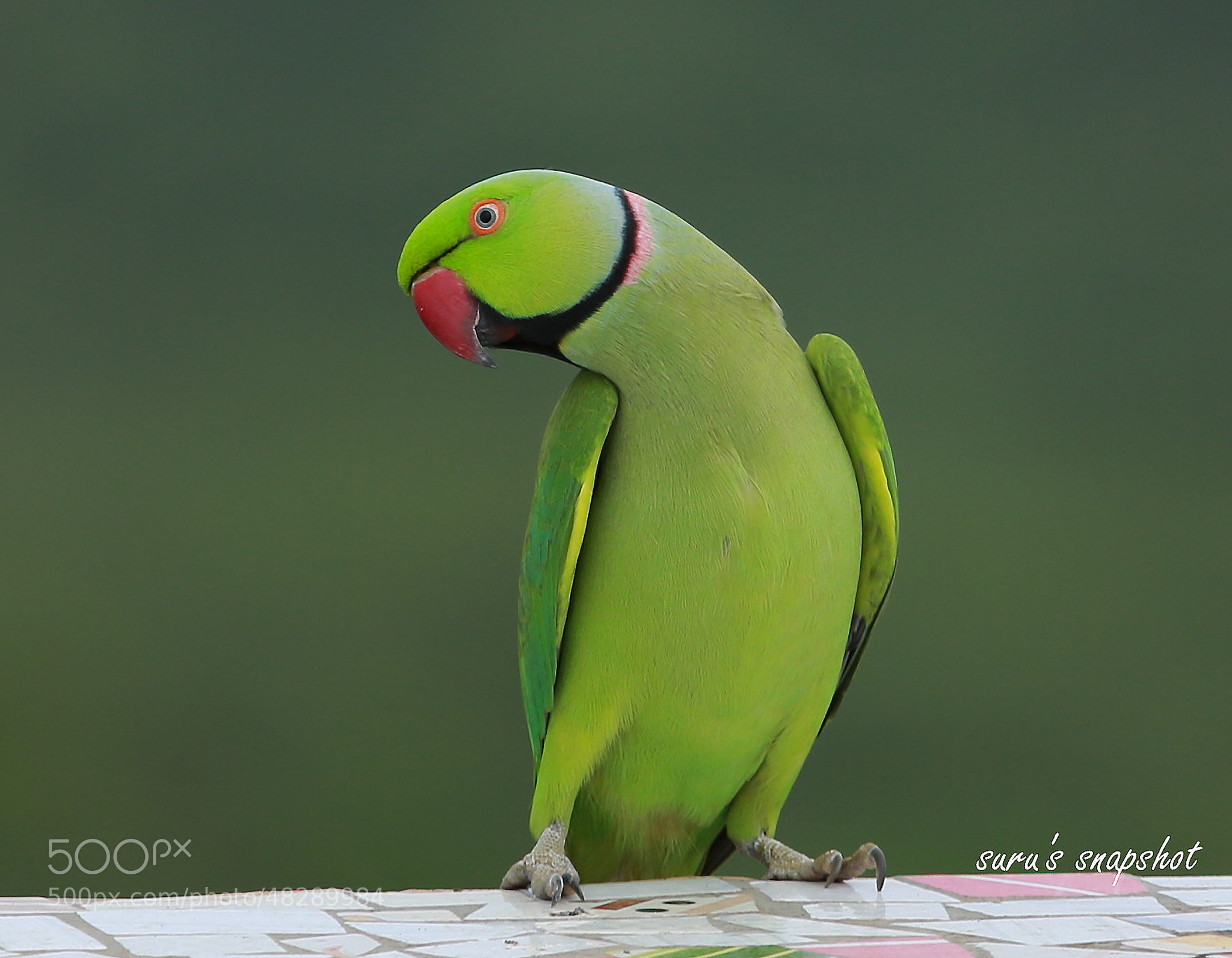
- Kite- Unsually nest on tall coconut trees.
- House Crow- Well we know they are everywhere
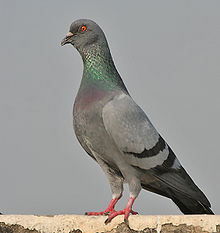
- Rock Pigeons-
- Barn Owl- Flat faced, beige coloured- usually live under flyover- visit residential areas at night
Barn Owl - Purple rumped sunbird- The forenoon visitor to all balconies with blooms. Commonly mistaken for 'hummingbird' by Parlekars
male sunbird female subird
- Greater Coucal- Some lucky buildings with old trees surrounded by bushes and quiet shaded areas. Thought to be 'lucky' to spot them
- White breasted King fisher- Near some old wells. I have only heard calls, never seen one
- White spotted/ browed fan tail flycatcher- Pretty little active bird- chirping- hopping from branch to branch with tail spread out like a fan. Spotted at height of about 1st-2nd floor of buildings on leafy trees
- Scaly breasted munia- I dontknow whether they live here. But I have seen them frequently swinging on high wires or thin branches
- Cuckoo- Both male and female. Parlekars find them irksome because of their habit of singing loudly starting at 4 am at the peak of summer holidays. It is notable that I did not hear any call in market area, and the calls have perceptibly decreased from near my home. In fact last season I did not hear a single 'jugalbandi' between competing Cuckoos though I spent almost the whole 4 months in Parle only
- Copper smith barbet- This absolutely ravishing beauty with a red spot above the beak and a helmet-like design on head is out now- eating the plentiful fruits of Banyan trees. 3 days ago I counted a dozen of them on the Banyan tree outside my balcony. Their tuk-tuk has not yet started that much
- Common Myna- I am observing these birds more often now
- Tailorbird- Usually found in bushes- Parle does not have much bush. I have always noted these birds on high branches outside my window on 5th floor or even higher- and my husband was really surprised that a 'bush-bird' had come so high. I also wonder where it nests


Migrant species
- Golden Oriole- winter migrant . Described earlier
- Pied crested cuckoo- heralding monsoon. I have seen only once- 8 years ago. Incidentally it was the time I was expecting my son
More images will be added later
Monday, December 15, 2014
MIGRANT IN PARLE
Most people in Parle know him as 'Taxi Bird' because of the bright yellow and black colours.
The Golden Oriole is an annual visitor and arrives every Winter to Vile Parle East between November and December. The male is very bright coloured and calls out loudly in a somewhat 'Laadwal' or nasal tone. His call is heard mostly in the mornings- upon which one can get up and spot him on some nearby tree. The bird is impossible to miss- because of thebright colours as well as that it does not move so often. The female bird is somewhat dull and better camouflaged; more difficult to spot.
| Male bird- from flickriver.com |
_on_Ficus_religiosa_W_IMG_8221.jpg) |
| Female bird from Wikimedia |
This beautiful bird flies back to the North in Spring or early Summer. Its diet consists of different small fruits of the fig, champa, etc and also small insects.
Please do enjoy this beautiful sight from your balconies and windows!
Subscribe to:
Posts (Atom)